This morning’s High Court judgment refusing the judicial review application brought by Sex Matters against the City of London Corporation is an important moment for common sense, good governance, and decency.
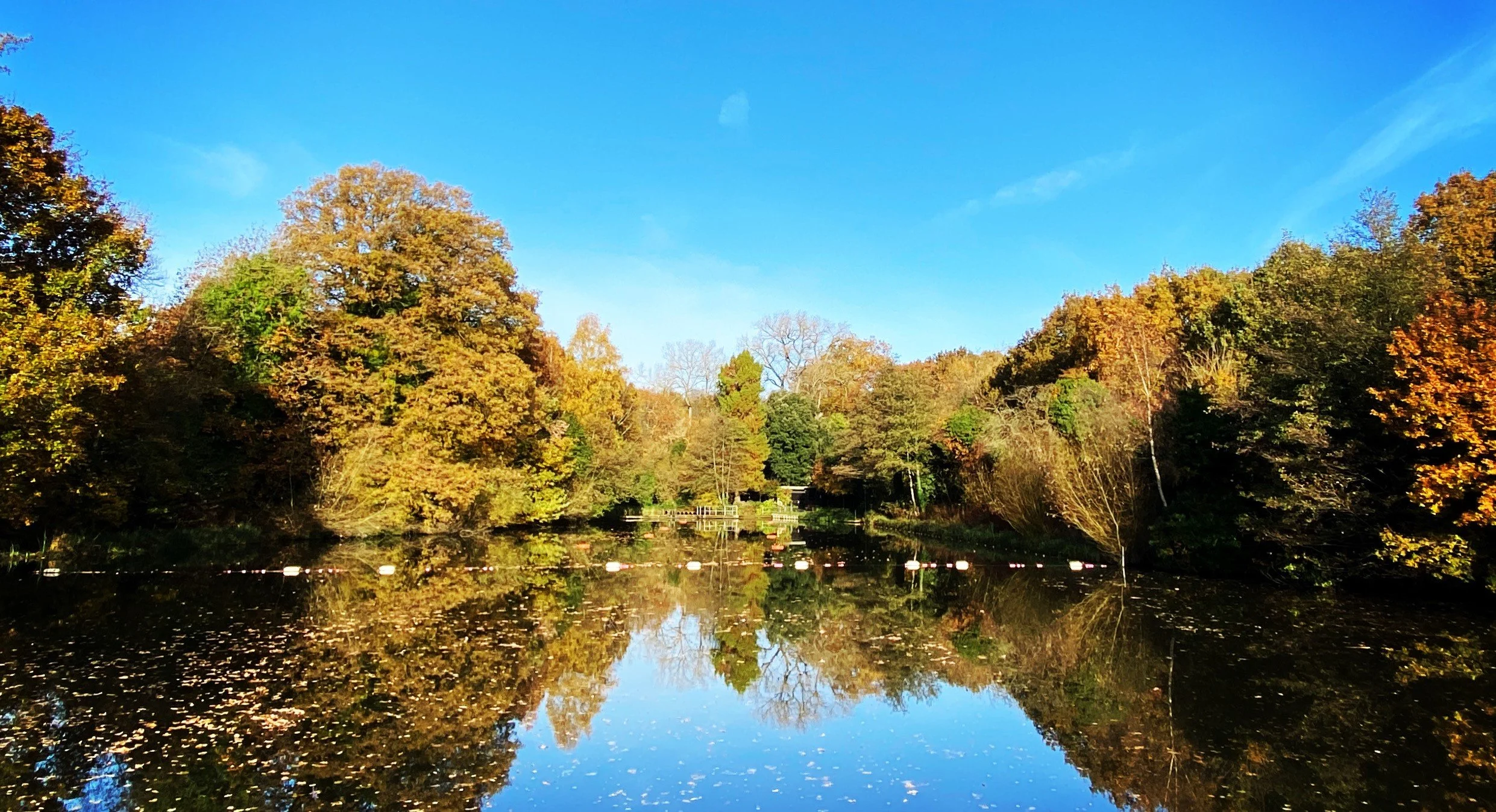
At the same time, the publication of the Corporation’s consultation on future access to the Hampstead Heath bathing ponds tells a powerful and hopeful story about who we are as a city.
Together, they confirm something many of us already knew: most ordinary people are not transphobic, and they value inclusion, fairness, and lived experience over culture-war rhetoric.
The Court: no shortcut around proper decision-making
The High Court was asked to intervene mid-process and to block the City of London Corporation from continuing a full and open consultation about the future operation of the ponds.
It declined to do so, firmly.
Mrs Justice Lieven was clear that the claim was premature, and that it would be wrong for the courts to cut across a lawful, careful, and evidence-based decision-making process. The Corporation, she held, was entitled to conduct a full consultation and consider all options before reaching a final decision:
“It would be contrary to good administration and to proper decision making to allow a judicial review to proceed at this stage.”
She went further, noting that the claim amounted to an attempt to narrow the options open to the Corporation before the consultation had concluded:
“This challenge is an attempt to limit the options in that consultation… The Corporation should be allowed to conduct a full consultation, with all options on the table.”
That is a measured but pointed rebuke. Public bodies are not required to abandon consultation, evidence, and judgment simply because a well-resourced pressure group would prefer a shortcut.
The people: 38,000 voices, overwhelmingly in favour of inclusion
If the Court was clear about process, the public consultation was even clearer about substance.
Nearly 38,500 people responded. Crucially, the overwhelming majority were not armchair commentators but people who actually use the ponds. Most live in London. Most have swum there recently.
And the verdict was decisive.
- 86% opposed turning the ponds into strictly biological sex-based facilities.
- 86% supported continuing the current trans-inclusive arrangements.
- 81% reported positive experiences of swimming under the existing policy.
- Only 10% reported negative experiences, with no evidence of systemic problems.
Respondents repeatedly described the current arrangements as working well, inclusive, calm, and consistent with the long culture of the ponds:
“Participants felt it maintained the welcoming character of the ponds and reflected decades of safe practice.”
Many explicitly rejected the framing of trans people as a risk, emphasising instead community, dignity, and kindness:
“Trans presence was characterised as unremarkable and normal.”
This matters. The consultation was not a referendum, and it was never intended to be. But it is undeniably a clear steer about how local people, and regular users, feel about this issue.
Why I stayed silent, and why I am speaking now
I have been a long-standing and unapologetic supporter of trans inclusion. Precisely because of that, I deliberately stood back from any role in the consultation exercise and from the legal proceedings.
I did so to avoid any suggestion of conflict, or that the process was being influenced by those of us with known views.
Now that the Court has ruled, and now that the consultation has spoken so clearly, I feel both able and obliged to say this publicly:
The idea that trans inclusion at the ponds is somehow imposed against the wishes of users simply does not survive contact with reality.
Londoners have looked at the evidence, reflected on their lived experience, and overwhelmingly said: this works, this is fair, and this reflects our values.
What comes next
The judgment does not dictate the outcome, and nor should it. The consultation does not remove the need for careful policy design, and nor should it.
But together they provide a solid, lawful, and democratic foundation for what comes next.
I look forward to working with colleagues across the City of London Corporation as we move into the next phase: developing future policy that is legally robust, evidence-based, and faithful to the character of the Heath and its ponds.
This episode has been exhausting for many, particularly trans people who have once again found their existence debated in the abstract.
But today there is something worth holding on to: a calm court, a careful public body, and tens of thousands of ordinary people who chose inclusion over fear.
That still matters.
C. E. Lord is deputy chair of the City of London Corporation’s Natural Environment Board responsible for the strategic oversight of its 11,000 acres of public open space, including Hampstead Heath. They also serve as a member of the Hampstead Heath, Highgate Wood & Queen’s Park Committee and the Equity, Equality, Diversity & Inclusion Sub-Committee.
Image credit: Heath Hands


 C. E. Lord OBE